



o r t h o p a e d i c s . c o . u k

 |
+home |
 |
+news |
|
+research |
|
+patient infomation |
|
+the clinic |
|
+the surgeon |
|
+sport physiotherapy |
|
+sports advice |
|
+products |
|
+resources |
|
+contact |
|
+maps & directions |
 |
+site map |
 |
|
The Bristol Orthopaedic |
Arthroscopic Shoulder Surgery
Prior to Surgery
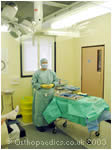
Prior to surgery, shoulder exercises should be performed to strengthen the shoulder.
Nothing is to be eaten or drunk from midnight prior to morning surgery, or from 6 am for afternoon surgery. You should present to the hospital at 7.30 am for the morning surgery and at 11 am for afternoon surgery. A general anaesthetic is usually required
Anti-inflammatory tablets (Indomethacin, Voltarol, Brufen, Naprosyn etc) must be stopped 2 days before surgery. On the morning of surgery patients should fast from midnight and arrive at the hospital at 7.20 am. For afternoon surgery you will be fasted after 8 a.m. Prior to the operation any tablets or medications you take, or allergies you may have to medications, should be brought to the attention of the surgeon. Please notify your surgeon and anaesthetist in advance if you are taking any anti-coagulants (blood thinners), hormone replacement tablets, the Pill or suffer from diabetes or any other significant medical condition.
The anaesthetist and Mr. Johnson will see you before surgery. The operation is performed under spinal or general anaesthesia. There will be one or two small incisions in the front and back of the shoulder.
Surgical Technique
The arthroscope is a pencil thin tube containing light fibres and is a means of transmitting a picture of the inside of the joint to a video screen. The shoulder joint is filled with fluid which allows the Surgeon to look around the brightly lit inside of the joint. The arthroscope is inserted through a small incision, less than 1cm long, either side of the shoulder. As well as the arthroscope a small metal probe is inserted into the shoulder to help probe the depths of the joint. Arthroscopy of the shoulder can also be undertaken to assess the amount of instability of the shoulder in order to determine if repair of the ligaments is necessary.
Once the extent of the damage to the shoulder has been determined, small cutting tools are inserted into the joint through the same holes that were used for the arthroscope. With the arthroscope in the joint giving the Surgeon a clear view, these small cutting instruments are used to trim away the damaged part of the joint. The pieces of debris are then removed through the same small holes as the joint is washed out. The fluid is drained out at the end of the procedure. However, the shoulder may feel as if there is a little fluid within it for a few days.
In addition to assessment, surgery is often undertaken though the arthroscope. Procedures include removal of a loose body, debridement or trimming of the glenoid labrum, capsule or damaged articular surface. Commonly the torn rotator cuff tendon may be trimmed, or inflammation around the supraspinatus or biceps tendon may be removed. It is even possible to undertake through the arthroscope partial removal of the overhanging acromium bone which is a common cause of rotator cuff tendonitis. This allows the rotator cuff tendon more room to move and prevents a recurrence of the rotator cuff tendonitis. All this is performed arthroscopically as a day case procedure whilst causing as little disruption to the shoulder as possible, allowing a rapid return to function and sport.
Arthroscopic surgery usually requires you to be in hospital for only 8-10 hours, unless the shoulder is opened in order to repair a torn tendon. In these cases an overnight stay is usually advised. Arthroscopic surgery, compared to open surgery, causes very little disturbance to the shoulder joint and consequently the post-operative discomfort is much less. While the degree of discomfort felt is variable, in general only slight pain will be experienced for a few days. This will not prevent you driving after a few days. If you notice any numbness or pain in the hand or forearm following arthroscopy please inform the nurse on duty. Exercise with a physiotherapist is usually commenced immediately following arthroscopy and continued several times a week for between 2 and 6 weeks.
Wound Dressing and Sutures
The dressings should be removed after 5 days and the wound inspected. If there is any excessive redness or infection patients should return to the GP or the clinic. If the wounds have been closed with steristrips these may be removed at that time. If sutures were used then the dressings should be maintained for 10 days, following which you should return to the GP's clinic to have the stitches removed. If t he wound if dry and the sutures have been removed or dissolved then the wound can be washed, and pool exercises can be begun. If the wound becomes red, inflamed or infected then patients should return to see Mr Johnson.
<BACK to Non-operative Treatment | NEXT: Recovery and Rehabilitation >
Related Links..
+ How to make an appointment
+ Arthroscopic Shoulder Surgery - see all links
+ Patient Information home
+ See the clinic
+ More about Mr Johnson
+ top
© The Bristol Orthopaedic & Sports Injury Clinic 2003. privacy | contact | Powered By Create Medical